
Sustainability at Antell OP Kortteli
At Antell, responsibility means concrete actions in our day-to-day work, shared practices and caring for one another.
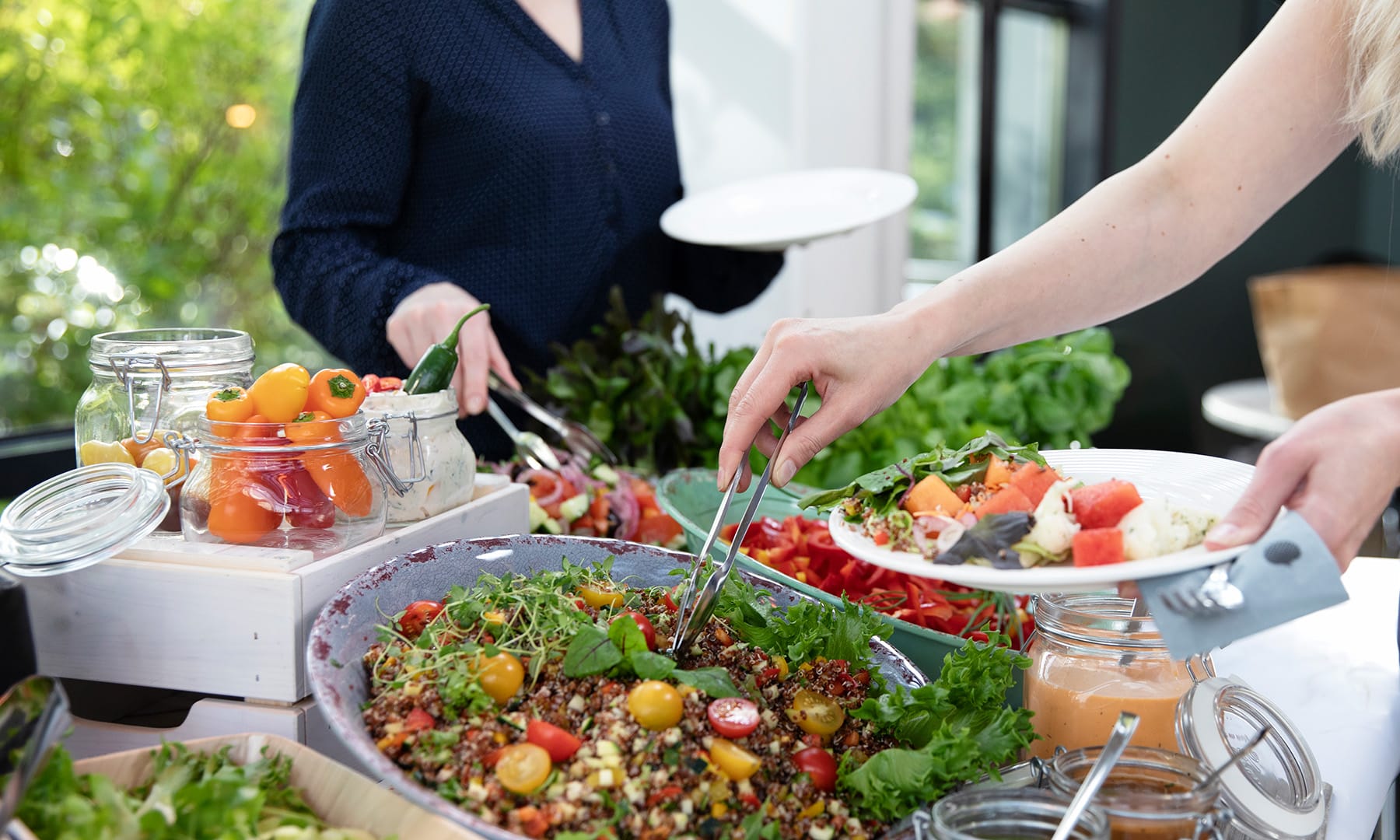
At Antell, responsibility means concrete actions in our day-to-day work, shared practices and caring for one another.
Our commitment to sustainability is reflected in the way we choose our ingredients, care for the environment and work together to support one another. Find below some examples of the sustainability work we do.
Find out more about how Antell cares for the environment.

The Nordic Swan Ecolabel guides every aspect of Antell OP Kortteli’s day-to-day operations – this is reflected in our daily choices, working practices and development work. The label is more than a certification – it reflects a shared commitment to providing restaurant services that respect the environment and support a more sustainable future.
The Nordic Swan Ecolabel criteria help us to reduce our environmental impact through concrete actions such as waste management, highlighting our climate impact, responsible procurement and close cooperation with our customers.

By measuring food waste daily and by dish, we can identify improvement opportunities and take targeted steps to minimise waste. We monitor the amount of waste generated in the kitchen and during service, as well as leftovers on customers’ plates, and implement improvements based on the results.
We encourage our customers to follow the ‘Take only what you can eat’ principle by serving themselves only what they can enjoy and returning for more if needed. We display the daily amount of food waste on a digital screen at the restaurant Antell Hella.

We are committed to promoting environmental sustainability at our clients’ premises in OP Kortteli. As a restaurant service provider, we support OP’s Green Office initiative and work closely with OP to continuously develop our operations in line with Green Office principles and requirements.
As part of our Green Office initiatives, we have, for example, introduced returnable reusable containers for the sale of surplus food, alongside biodegradable disposable containers. We have also increased the range of organic products on offer and highlighted the carbon footprint of the food we serve.

Food has a significant impact on the climate. Carbon footprint information helps customers choose more climate-friendly options. It is easier to make climate-friendly choices when information on the carbon footprint of different food is readily available. Generally speaking, the carbon footprint of animal-based products (meat, dairy products) is always greater than that of plant-based products. Domestically produced beef, on the other hand, is a more climate-friendly choice than its South American counterpart.
Comparing dishes provides some insight into the impact that changing the main ingredient has on the environmental footprint (using Antell’s own recipes as an example).
A carbon footprint refers to the environmental impact of a product, activity or service – in other words, the amount of greenhouse gases emitted throughout the product’s or activity’s life cycle. Carbon dioxide equivalent is the unit of measurement for the carbon footprint. It is a measure of all the greenhouse gases generated, in theoretical terms, by the production of a product or service, which contribute to global warming. At Antell, the carbon footprint is expressed in the unit CO2e kg/100 g, which indicates how much carbon dioxide is generated when 100 grams of food is produced.
You can see the carbon footprint information for your meal every day on the lunch menu.
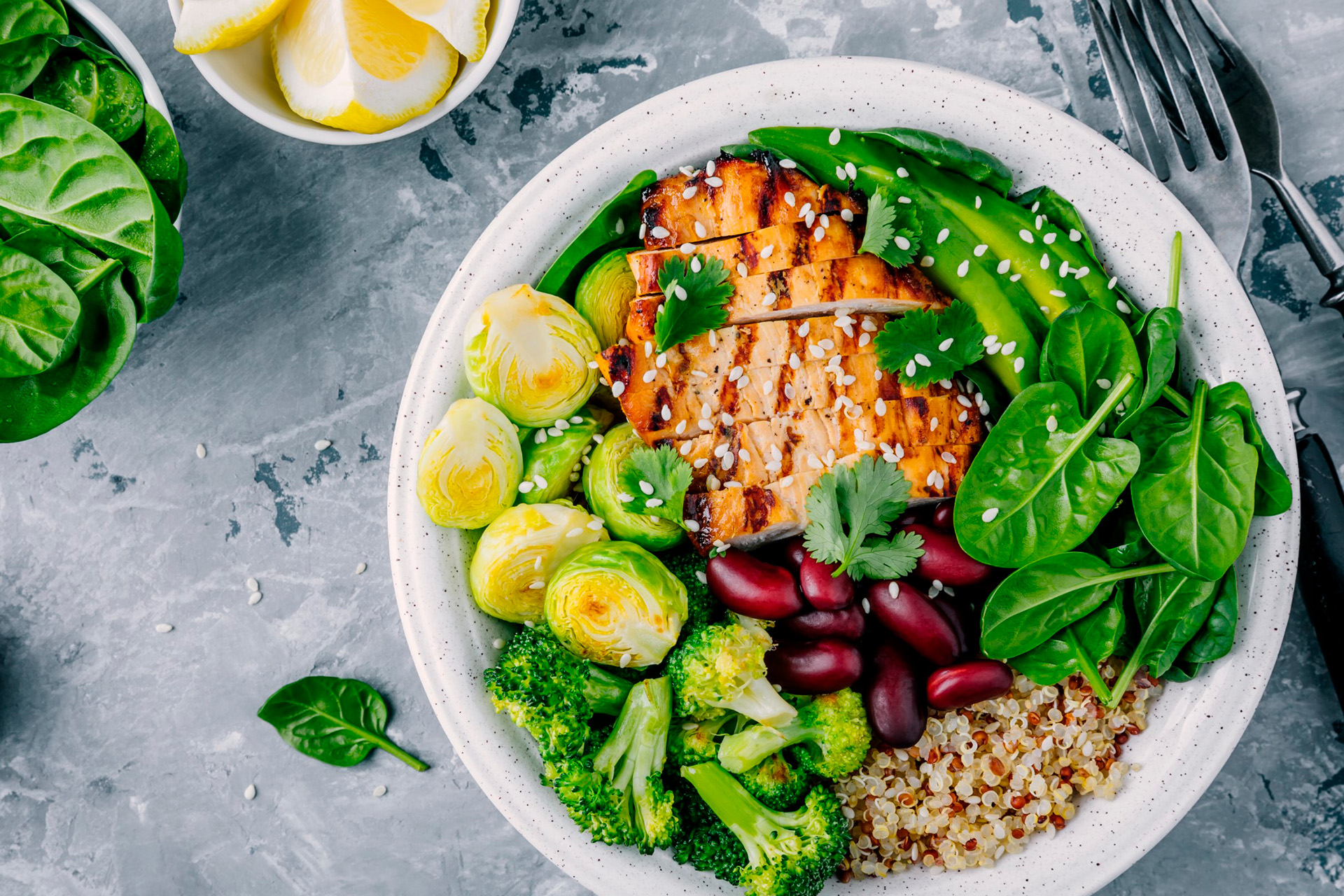
We are committed to ensuring the vitality of Finnish food production: in our kitchens, we prioritise Finnish ingredients that have been produced, packaged and processed in Finland.
We do not use genetically modified ingredients or azo dyes. We are committed to using only sustainably sourced fish in our kitchens and follow the WWF’s recommendations. When planning our menus, we take into account seasonal availability and harvest times, as well as minimising waste.
Antell’s restaurants use 100% Finnish ingredients in the following product categories, amongst others: